FKM vs NBR O-Ring: Differences, Applications & How to Choose
Apr 28, 2026
FKM and NBR are two of the most commonly used O-ring materials in industrial sealing applications.
While both provide reliable sealing performance, they differ significantly in temperature resistance, chemical compatibility, and cost.
1. What is NBR O-Ring?
NBR (Nitrile Butadiene Rubber) is widely used due to its excellent resistance to oil and fuel.
Key features:
- Excellent oil resistance
- Good mechanical strength
- Cost-effective
- Temperature range: -40°C to +110°C
2. What is FKM O-Ring?
FKM (Fluoroelastomer) is a high-performance material known for its superior heat and chemical resistance.
Key features:
- High temperature resistance (up to 200–240°C)
- Excellent chemical resistance
- Long service life
Key Differences
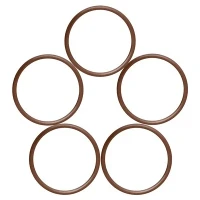
FKM and NBR O-rings
| Material | FKM | NBR | |
| Temperature Range: | up to 200–240°C | -40°C to +110°C | |
| Chemical Resistance: | Excellent | Moderate | |
| Applications | FKM O-rings are suitable for: - High temperature environments - Chemical processing - Oil & gas industry |
NBR O-rings are widely used in: - Automotive systems - Hydraulic systems - General machinery |
|
| How to Choose | - High temperature resistance is needed - Chemical exposure is strong |
- Low cost is required - Temperature is below 100°C |