

How to choose the right size of a rubber washer?
Nov 07, 2025
Choosing the right size of a rubber washer is crucial for ensuring a proper seal and optimal performance in various applications. As a rubber washer supplier, I've seen firsthand how the wrong size can lead to leaks, inefficiencies, and even equipment failure. In this blog post, I'll share some tips on how to select the right size of a rubber washer for your specific needs.
Understanding the Basics of Rubber Washers
Before we dive into sizing, let's quickly go over what rubber washers are and what they do. Rubber washers are thin, flat rings made of rubber or elastomeric materials. They're used to create a seal between two surfaces, preventing the leakage of fluids or gases. They can also help reduce vibration, noise, and friction.
Rubber washers come in a variety of materials, each with its own unique properties and applications. Some common types include Silicone Rubber Washer Black, Rubber Washer EPDM, and Rubber Washer HNBR. The material you choose will depend on factors like the temperature, pressure, and chemical environment of your application.
Measuring the Size of a Rubber Washer
The size of a rubber washer is typically defined by three main dimensions: the inner diameter (ID), the outer diameter (OD), and the thickness. Here's how you can measure each of these dimensions accurately:
Inner Diameter (ID)
The inner diameter is the measurement of the hole in the center of the washer. To measure the ID, you can use a caliper or a micrometer. Place the measuring tool across the center of the hole and take the reading. Make sure to measure at the widest part of the hole for the most accurate result.
Outer Diameter (OD)
The outer diameter is the measurement of the outside edge of the washer. Similar to measuring the ID, use a caliper or a micrometer to measure the OD. Place the tool across the widest part of the washer and record the measurement.
Thickness
The thickness of the washer is the distance between the two flat surfaces. You can use a caliper or a micrometer to measure the thickness. Place the tool on the flat surface of the washer and take the reading.
Factors to Consider When Choosing the Right Size
Now that you know how to measure the size of a rubber washer, let's talk about the factors you need to consider when choosing the right size for your application.
Application Requirements
The first thing you need to consider is the specific requirements of your application. For example, if you're using the washer in a high-pressure environment, you'll need a washer with a thicker cross-section to withstand the pressure. On the other hand, if you're using the washer in a low-pressure application, a thinner washer may be sufficient.
Compatibility with the Surfaces
The washer needs to fit properly between the two surfaces it's sealing. If the ID is too small, the washer may not fit over the bolt or pipe. If the OD is too large, the washer may not fit within the space available. Make sure to measure the surfaces accurately and choose a washer size that will provide a snug fit.
Temperature and Chemical Resistance
As mentioned earlier, the material of the washer is important for its performance. Different materials have different temperature and chemical resistance properties. For example, silicone rubber washers are resistant to high temperatures and are often used in applications where heat is a concern. EPDM washers are resistant to weathering, ozone, and many chemicals, making them suitable for outdoor and chemical processing applications. HNBR washers are known for their excellent resistance to oil and fuel, making them a good choice for automotive and industrial applications.
Common Sizing Standards
There are several common sizing standards for rubber washers, such as the metric system and the imperial system. The metric system is widely used around the world and is based on millimeters. The imperial system, on the other hand, is commonly used in the United States and is based on inches.
When choosing a rubber washer, make sure to use the same sizing system as the components it will be used with. If you're unsure which system to use, you can refer to the manufacturer's specifications or consult with a professional.
Troubleshooting Size Issues
If you're having trouble finding the right size of a rubber washer, here are some common issues and solutions:
Leakage
If you're experiencing leakage, it could be a sign that the washer is too small or too thin. Try using a washer with a larger OD or a thicker cross-section to improve the seal.
Difficulty Installing
If the washer is difficult to install, it could be because the ID is too small. Try using a washer with a larger ID to make installation easier.
Excessive Compression
If the washer is being compressed too much, it could be because the OD is too large or the thickness is too great. Try using a washer with a smaller OD or a thinner cross-section to reduce the compression.
Conclusion
Choosing the right size of a rubber washer is essential for ensuring a proper seal and optimal performance in your application. By understanding the basics of rubber washers, measuring the size accurately, considering the application requirements, and following the common sizing standards, you can select the right washer for your needs.
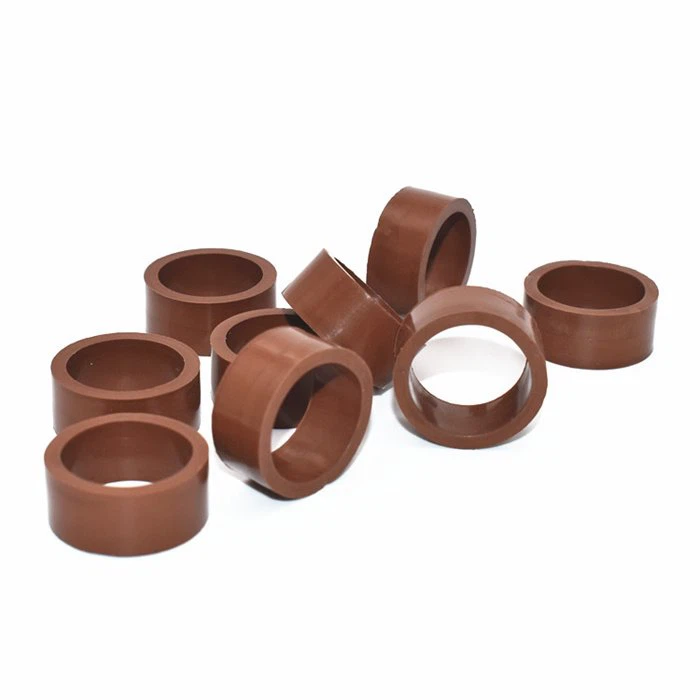

If you're still unsure about which size or type of rubber washer is right for your application, don't hesitate to reach out to us. As a rubber washer supplier, we have the expertise and experience to help you find the perfect solution. We offer a wide range of rubber washers in various sizes and materials, and we're committed to providing high-quality products and excellent customer service. Contact us today to discuss your requirements and start the procurement process.
References
- "Rubber Seals and Gaskets Handbook" by Chris J. Roberts
- "Sealing Technology" by D. Dowson and M. Goddard