

How do I select a rubber washer for a specific application?
Dec 08, 2025
Selecting the right rubber washer for a specific application can be a bit of a headache, but don't worry! As a rubber washer supplier, I've got the lowdown on what you need to know. In this blog, I'll walk you through the key factors to consider when choosing a rubber washer, so you can make an informed decision.
1. Understand the Application Requirements
First things first, you need to have a clear understanding of the application where the rubber washer will be used. Is it for a high - pressure system, a chemical - exposed environment, or maybe just a simple household use?
- Pressure: If the washer is going to be used in a high - pressure application, you need a washer that can withstand the force without deforming or failing. For example, in a hydraulic system, the pressure can be extremely high. You'll need a washer made from a material with high tensile strength and good elasticity.
- Temperature: Temperature plays a crucial role. Some applications involve high temperatures, like in an engine or a heating system. In such cases, the rubber washer must be able to maintain its properties at elevated temperatures. On the other hand, if it's a cold - climate application, the rubber should not become brittle.
- Chemical Exposure: If the washer will come into contact with chemicals, you need to choose a rubber material that is resistant to those specific chemicals. For instance, in a chemical processing plant, the washer may be exposed to acids, alkalis, or solvents.
2. Consider the Rubber Material
There are several types of rubber materials available, each with its own set of properties. Here are some common ones:
- HNBR (Hydrogenated Nitrile Butadiene Rubber): HNBR is known for its excellent resistance to oil, fuel, and high temperatures. It also has good mechanical properties, making it suitable for applications where there is a combination of high pressure and chemical exposure. If you're looking for a rubber washer with these features, you can check out Rubber Washer HNBR.
- EPDM (Ethylene Propylene Diene Monomer): EPDM is highly resistant to weathering, ozone, and water. It's a great choice for outdoor applications or in environments where there is a lot of moisture. You can find more about Rubber Washer EPDM.
- FKM (Fluoroelastomer): FKM, especially the FKM Black Rubber Washer, offers outstanding chemical resistance, especially to fuels, oils, and many aggressive chemicals. It can also handle high temperatures well, making it ideal for demanding applications.
3. Size and Dimensions
Getting the right size and dimensions of the rubber washer is essential. A washer that is too small may not provide a proper seal, while one that is too large can be difficult to install and may not function correctly.

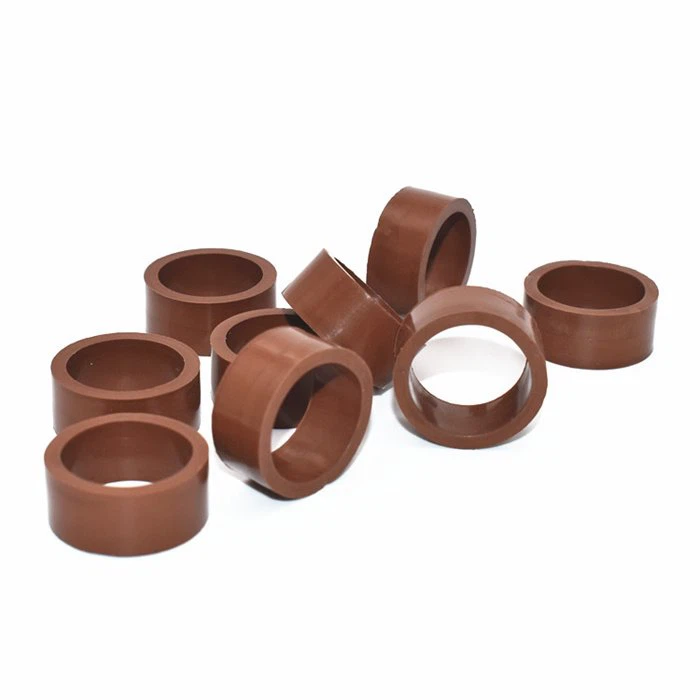
- Inner and Outer Diameter: Measure the inner and outer diameters accurately. The inner diameter should fit snugly around the shaft or pipe, and the outer diameter should match the housing or the mating surface.
- Thickness: The thickness of the washer affects its compressibility and the amount of force it can withstand. A thicker washer may be more suitable for high - pressure applications, while a thinner one can be used in less demanding situations.
4. Compression and Sealing Requirements
The main function of a rubber washer is to create a seal. You need to consider how much compression the washer can handle and still maintain a good seal.
- Compression Set: Compression set is the ability of the rubber to return to its original shape after being compressed. A low compression set means the washer will maintain its sealing properties over time.
- Sealing Force: The amount of force required to create a proper seal depends on the application. For example, in a gas - tight seal, you may need a higher sealing force compared to a liquid - tight seal.
5. Cost - Effectiveness
While it's important to get a high - quality rubber washer, you also need to consider the cost. Sometimes, a more expensive material may be overkill for a simple application.
- Budget: Set a budget for your rubber washer purchase. Look for a material and a washer that meets your requirements without breaking the bank.
- Long - Term Costs: Consider the long - term costs as well. A cheaper washer that fails frequently may end up costing you more in the long run due to replacement and downtime.
6. Quality and Certification
When choosing a rubber washer, it's important to ensure that it meets quality standards.
- Manufacturing Standards: Look for washers that are manufactured according to industry standards. This ensures that the washer has consistent quality and performance.
- Certifications: Some applications may require specific certifications, such as FDA (Food and Drug Administration) approval for food - contact applications or ISO (International Organization for Standardization) certifications for general quality.
7. Supplier Reputation
As a rubber washer supplier, I know how important it is to have a good reputation. When you're selecting a rubber washer, choose a supplier who has a proven track record.
- Experience: An experienced supplier is more likely to have the knowledge and expertise to help you choose the right washer for your application.
- Customer Reviews: Check customer reviews and testimonials to get an idea of the supplier's reliability and the quality of their products.
Contact for Procurement
If you're still unsure about which rubber washer is right for your specific application, or if you're ready to make a purchase, feel free to reach out to us. We're here to help you find the perfect rubber washer that meets your needs. Whether you have questions about the material, size, or any other aspect, our team of experts is available to assist you.
References
- "Rubber Engineering Handbook" by John A. Brydson
- "Sealing Technology Handbook" by John H. Bickford