

How do EPDM rubber washers perform in high - speed applications?
Oct 08, 2025
Hey there! As a supplier of Rubber Washer EPDM, I've gotten a ton of questions about how these bad boys perform in high-speed applications. So, I thought I'd sit down and share my insights with you all.
First off, let's talk about what EPDM rubber is. EPDM, or ethylene propylene diene monomer, is a synthetic rubber known for its excellent resistance to weathering, ozone, and UV rays. It also has great electrical insulation properties and can tolerate a wide range of temperatures. These features make it a popular choice for various applications, from automotive to construction.
Now, when it comes to high-speed applications, there are a few key factors we need to consider: heat resistance, wear resistance, and sealing performance.
Heat Resistance
High-speed applications often generate a lot of heat. This is due to friction between moving parts and the energy being transferred. If a rubber washer can't handle the heat, it can start to break down, lose its shape, and eventually fail.
EPDM rubber has a relatively high heat resistance compared to some other types of rubber. It can typically withstand continuous use at temperatures up to around 120°C (248°F) and short-term exposure to even higher temperatures. This means that in high-speed applications where heat is a concern, EPDM rubber washers can hold up pretty well.
For example, in automotive engines, where components are moving at high speeds and generating a significant amount of heat, EPDM washers can be used to seal various parts. They help prevent leaks and maintain the integrity of the system, even under the extreme heat conditions.
Wear Resistance
Another important factor in high-speed applications is wear resistance. When parts are moving at high speeds, there's a lot of abrasion and friction happening. A washer that isn't wear-resistant will quickly wear down, leading to gaps and leaks.
EPDM rubber has good wear resistance, especially when compared to softer rubbers. Its molecular structure gives it the ability to withstand the constant rubbing and scraping that comes with high-speed movement. However, it's important to note that the wear resistance of EPDM can be affected by the specific compound formulation and the operating conditions.
In some high-speed industrial machinery, EPDM washers are used to protect and seal critical components. They can last a long time, reducing the need for frequent replacements and minimizing downtime.
Sealing Performance
The primary function of a rubber washer is to create a seal. In high-speed applications, a proper seal is crucial to prevent leaks of fluids or gases. If a washer can't maintain a tight seal, it can lead to all sorts of problems, from reduced efficiency to safety hazards.
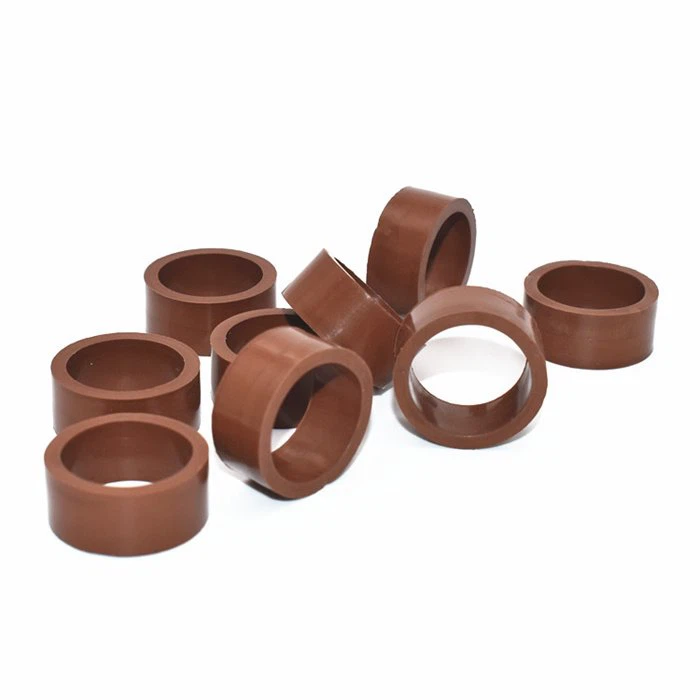

EPDM rubber has excellent sealing properties. It can conform to irregular surfaces and fill in small gaps, ensuring a tight and reliable seal. Even at high speeds, where there may be vibrations and movement, EPDM washers can maintain their sealing performance.
For instance, in hydraulic systems operating at high speeds, EPDM washers are used to seal the connections between pipes and valves. They prevent hydraulic fluid from leaking out, which is essential for the proper functioning of the system.
Comparing with Other Rubbers
It's always good to see how EPDM rubber washers stack up against other types of rubber washers in high-speed applications. Let's take a quick look at FKM Black Rubber Washer and Rubber Washer HNBR.
FKM, or fluoroelastomer, is known for its outstanding heat and chemical resistance. It can handle much higher temperatures than EPDM, often up to 200°C (392°F) or more. However, FKM is also more expensive and less flexible than EPDM. In high-speed applications where extreme heat and chemical exposure are the main concerns, FKM might be a better choice. But for general high-speed applications with moderate heat and chemical resistance requirements, EPDM is a cost-effective option.
HNBR, or hydrogenated nitrile butadiene rubber, has excellent oil resistance and good mechanical properties. It can also withstand high temperatures, but its heat resistance is not as high as FKM. HNBR is often used in applications where there's a need for both oil resistance and high-speed performance. EPDM, on the other hand, is more versatile when it comes to resistance to other environmental factors like weather and ozone.
Real-World Examples
Let's look at some real-world examples of how EPDM rubber washers are used in high-speed applications:
- Aerospace Industry: In aircraft engines and hydraulic systems, components operate at extremely high speeds. EPDM washers are used to seal various connections and prevent leaks. Their ability to withstand heat, wear, and maintain a good seal makes them a reliable choice in this high-stakes industry.
- Industrial Pumps: Pumps used in industrial settings often have high-speed rotating parts. EPDM washers are used to seal the pump housing and prevent fluid leakage. They can handle the high pressures and speeds associated with pumping operations.
- Power Generation: In power plants, turbines and generators are spinning at high speeds. EPDM washers are used to seal the joints and connections, ensuring that the system operates efficiently and safely.
Tips for Using EPDM Rubber Washers in High-Speed Applications
If you're planning to use EPDM rubber washers in high-speed applications, here are a few tips to keep in mind:
- Proper Installation: Make sure the washer is installed correctly. A misaligned or improperly seated washer can lead to premature failure. Follow the manufacturer's instructions for installation.
- Lubrication: In some cases, using a suitable lubricant can reduce friction and wear. This can extend the life of the washer and improve its performance.
- Regular Inspection: Periodically inspect the washers for signs of wear, damage, or leaks. Replace any washers that show signs of deterioration to prevent potential problems.
Conclusion
In conclusion, EPDM rubber washers perform quite well in high-speed applications. Their heat resistance, wear resistance, and sealing performance make them a reliable choice for a wide range of industries. While they may not be the best option for every high-speed scenario, especially those with extreme heat or chemical exposure, they offer a cost-effective and versatile solution for many common applications.
If you're in the market for high-quality EPDM rubber washers for your high-speed applications, I'd love to talk to you. Whether you have questions about the product, need help with sizing, or want to discuss your specific requirements, I'm here to assist. Don't hesitate to reach out and start a conversation about your procurement needs.
References
- ASTM International. "Standard Classification System for Rubber Products in Automotive Applications."
- Rubber Manufacturers Association. "Rubber Technology Handbook."