

How do EPDM rubber washers perform in high - pressure environments?
Jun 23, 2025
Hey there! As a supplier of Rubber Washer EPDM, I've gotten a ton of questions about how these little guys perform in high - pressure environments. So, I thought I'd sit down and share my insights with you all.
First off, let's talk about what EPDM is. EPDM stands for Ethylene Propylene Diene Monomer. It's a type of synthetic rubber that's known for its excellent resistance to weathering, ozone, and UV rays. But when it comes to high - pressure situations, how does it stack up?
Physical Properties of EPDM Rubber Washers
One of the key factors that determine how well an EPDM rubber washer performs under pressure is its hardness. Hardness is measured on the Shore A scale. Generally, for high - pressure applications, you'd want a washer with a higher Shore A hardness. A washer with a hardness of around 70 - 90 Shore A can handle more pressure compared to a softer one. This is because a harder rubber is less likely to deform under high stress.
Another important physical property is its elasticity. EPDM rubber has good elasticity, which means it can return to its original shape after being compressed. In a high - pressure environment, the washer gets squeezed, and its ability to bounce back ensures a tight seal. If the rubber loses its elasticity, it won't be able to maintain a proper seal, and you might end up with leaks.
Sealing Performance in High - Pressure Environments
When it comes to sealing in high - pressure systems, EPDM rubber washers have some real advantages. They can create a reliable seal against liquids and gases. For example, in hydraulic systems where pressures can be extremely high, EPDM washers can prevent fluid from leaking out.
However, it's not all smooth sailing. In very high - pressure scenarios, the washer might experience extrusion. Extrusion happens when the rubber gets forced into small gaps due to the high pressure. This can lead to a compromised seal. To prevent extrusion, you can use a backup ring. A backup ring is usually made of a harder material and is placed next to the EPDM washer. It provides support and stops the rubber from extruding.
Chemical Resistance in High - Pressure Settings
EPDM rubber is also known for its great chemical resistance. In high - pressure environments where there are corrosive chemicals, EPDM washers can hold up well. They can resist the effects of many acids, alkalis, and other chemicals. This makes them suitable for use in chemical processing plants where both high pressure and harsh chemicals are present.
But there are some chemicals that can degrade EPDM. For instance, oils and fuels can cause swelling and loss of physical properties. So, if you're using EPDM washers in an environment where there are oils or fuels, you might want to consider other options like Rubber Washer HNBR or NBR Black Rubber Washer.
Temperature Effects in High - Pressure Conditions
Temperature can have a big impact on how EPDM rubber washers perform in high - pressure environments. EPDM has a wide temperature range, typically from - 40°C to 120°C. In high - pressure systems, the temperature can rise due to friction and other factors.
At high temperatures, the rubber can become softer and more prone to deformation. This can reduce its ability to maintain a seal under pressure. On the other hand, at very low temperatures, the rubber can become brittle and lose its elasticity. So, it's important to choose the right EPDM compound based on the expected temperature range in your high - pressure application.

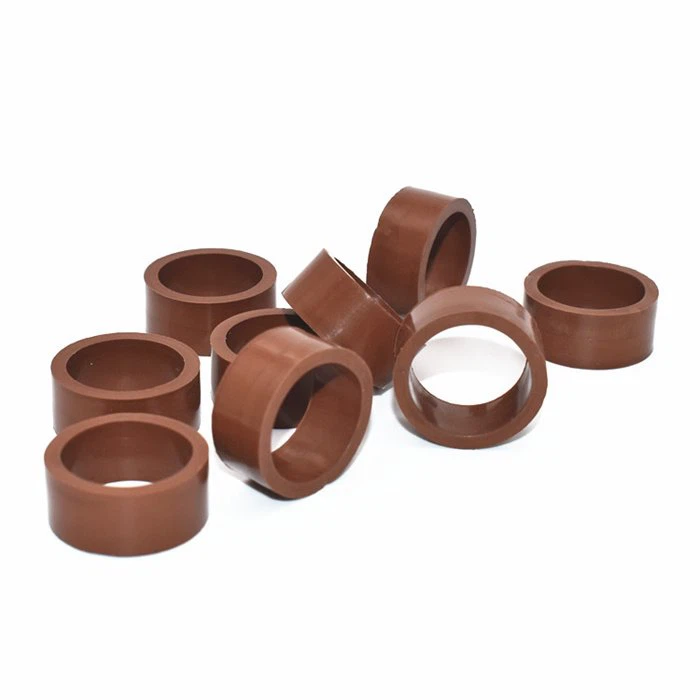
Comparing EPDM with Other Rubber Materials for High - Pressure Use
Let's compare EPDM with some other common rubber materials used in high - pressure applications. As I mentioned earlier, NBR (Nitrile Butadiene Rubber) is another popular choice. NBR has better resistance to oils and fuels compared to EPDM. However, EPDM is superior when it comes to weathering and ozone resistance.
HNBR (Hydrogenated Nitrile Butadiene Rubber) is also a great option for high - pressure environments. It has excellent resistance to heat, oil, and chemicals. But it's more expensive than EPDM. So, depending on your specific requirements and budget, you need to choose the right material.
Real - World Applications
EPDM rubber washers are used in a wide range of high - pressure applications. In the automotive industry, they're used in engine cooling systems where there are high - pressure coolant flows. They also find use in plumbing systems, especially in high - rise buildings where water pressure can be high.
In the aerospace industry, EPDM washers are used in various systems to seal against high - pressure gases. Their ability to withstand different environmental conditions makes them a popular choice.
Maintenance and Longevity in High - Pressure Systems
To ensure the long - term performance of EPDM rubber washers in high - pressure environments, proper maintenance is crucial. Regular inspections can help detect any signs of wear, damage, or extrusion. If you notice any issues, it's best to replace the washer before it fails completely.
The longevity of EPDM washers also depends on the operating conditions. If the pressure is constantly at the upper limit of what the washer can handle, its lifespan will be shorter. By keeping the pressure within a reasonable range and following the manufacturer's guidelines, you can extend the life of the washers.
Conclusion
So, in conclusion, EPDM rubber washers can perform well in high - pressure environments, but they have their limitations. Their physical properties, sealing performance, chemical resistance, and temperature tolerance all play a role in how they fare under pressure.
If you're in the market for high - quality Rubber Washer EPDM, I'm here to help. Whether you have questions about the right hardness, need advice on preventing extrusion, or want to discuss your specific application, feel free to reach out. I'd love to work with you to find the perfect solution for your high - pressure sealing needs.
References
- "Handbook of Elastomers" by Brian M. Culbertson
- "Rubber Technology" by Maurice Morton