

Can NBR O Ring Brown be used in glass - making machinery?
Jul 16, 2025
Hey there! I'm a supplier of NBR O Ring Brown, and I often get asked if these nifty little rings can be used in glass - making machinery. Well, let's dig deep into this topic and find out!
First off, let's talk a bit about what NBR O Ring Brown is. NBR stands for Nitrile Butadiene Rubber. It's a synthetic rubber that's known for its excellent resistance to oil, fuel, and other petroleum - based fluids. The brown color is just a characteristic of some NBR O - rings, which might come from additives or the manufacturing process.
Now, glass - making machinery is a whole different ballgame. It operates under some pretty harsh conditions. High temperatures, abrasive materials, and the need for airtight and watertight seals are all part of the deal. So, can our NBR O Ring Brown cut it in this environment?
Temperature Resistance
One of the key factors in glass - making machinery is temperature. Glass is made at extremely high temperatures, and the machinery components need to withstand these heat levels. NBR O Ring Brown has a decent temperature range. Generally, it can handle temperatures from about - 40°F to 212°F (- 40°C to 100°C).

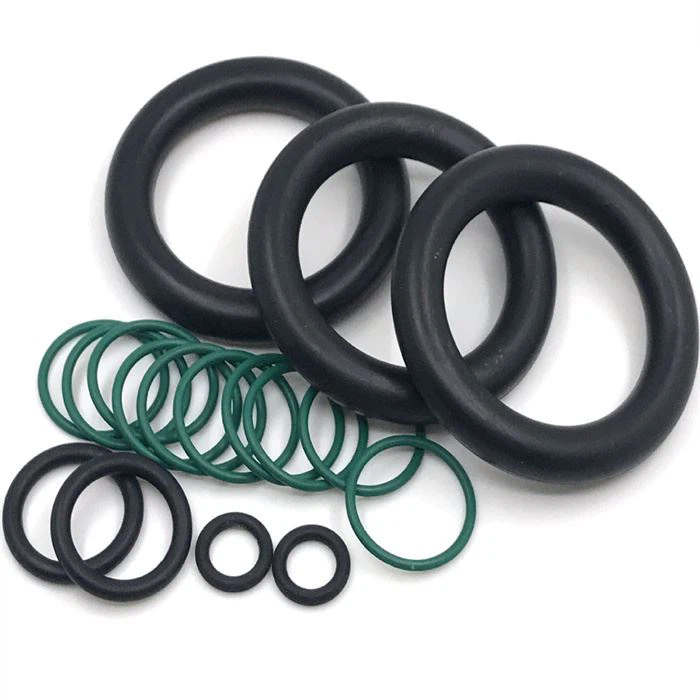
In some parts of the glass - making process, like the cooling areas or the parts that don't come in direct contact with the molten glass, this temperature range might be sufficient. But in areas where the heat is really intense, say near the furnace, the NBR O Ring Brown might not hold up well. The rubber can start to break down, lose its elasticity, and develop cracks, which can lead to leaks and machinery malfunctions.
Chemical Resistance
Glass - making involves a variety of chemicals. There are fluxes, stabilizers, and colorants used in the glass - making process. Some of these chemicals can be quite corrosive. NBR O Ring Brown has good resistance to many oils and fuels, but when it comes to some of the strong chemicals used in glass - making, it might not be the best choice.
For example, some acidic or alkaline substances can react with the NBR rubber, causing it to swell, degrade, or lose its sealing properties. So, depending on the specific chemicals used in the glass - making process at a particular facility, the NBR O Ring Brown might need to be carefully evaluated for chemical compatibility.
Abrasion Resistance
The glass - making machinery also deals with abrasive materials. Glass particles and other debris can be present in the machinery, and the O - rings need to be able to resist abrasion. NBR O Ring Brown has a reasonable level of abrasion resistance. It can handle some minor scraping and rubbing without too much damage.
However, in areas where there's a lot of high - speed movement and contact with rough surfaces, the O - ring might wear out quickly. This can lead to a loss of the seal, which is crucial for the proper functioning of the machinery.
Sealing Performance
The main job of an O - ring is to provide a tight seal. In glass - making machinery, this is especially important to prevent leaks of molten glass, gases, or cooling fluids. NBR O Ring Brown has good sealing properties under normal conditions. It can conform to the surfaces it's sealing against and create a reliable barrier.
But as we've discussed, the harsh conditions in glass - making machinery can affect its sealing performance. If the O - ring degrades due to heat, chemicals, or abrasion, the seal will be compromised. And in a glass - making environment, even a small leak can cause big problems, like product defects or safety hazards.
Alternatives and Complementary Use
If the NBR O Ring Brown isn't suitable for all parts of the glass - making machinery, what are the alternatives? There are other types of rubber materials that have better temperature, chemical, and abrasion resistance. For example, Rubber Flat Washer EPDM is a good option. EPDM (Ethylene Propylene Diene Monomer) rubber has excellent resistance to high temperatures, weathering, and many chemicals.
We can also consider using the NBR O Ring Brown in combination with other seals. For instance, in areas where the conditions are less harsh, the NBR O Ring Brown can be used as a secondary seal. And in the more critical areas, a more heat - and chemical - resistant seal can be used as the primary seal.
Sizing and Availability
As a supplier, I understand the importance of having the right size of O - ring. We offer All Size AS568 NBR O Ring and NBR Full Sizes O Ring. This means that no matter what the specific requirements of the glass - making machinery are, we can likely provide the right - sized NBR O Ring Brown.
Whether it's a small, precision - sized O - ring for a delicate component or a large - diameter O - ring for a big - scale sealing job, we've got you covered. And we can also work with customers to custom - manufacture O - rings if the standard sizes don't fit their needs.
Conclusion
So, can NBR O Ring Brown be used in glass - making machinery? The answer is it depends. In some less - demanding parts of the machinery, like the cooling areas or areas with less exposure to extreme heat and chemicals, it can be a viable option. But in the more critical areas, it might not be the best choice.
As a supplier, I'm always here to help you make the right decision. If you're in the glass - making industry and need O - rings for your machinery, we can have a detailed discussion about your specific requirements. We can evaluate the conditions in your facility, including temperature, chemicals, and abrasion levels, and recommend the most suitable sealing solutions.
If you're interested in learning more about our NBR O Ring Brown or other sealing products, feel free to reach out to us. We're happy to provide samples, technical specifications, and pricing information. Let's work together to ensure the smooth operation of your glass - making machinery!
References
- "Handbook of Elastomers" by B. D. Croll
- "Rubber Technology" by Maurice Morton