

Are EPDM rubber washers suitable for use in water treatment systems?
Oct 22, 2025
As a supplier of Rubber Washer EPDM, I often get asked whether EPDM rubber washers are suitable for use in water treatment systems. This is a crucial question, considering the importance of water treatment in various industries, from residential water supply to large - scale industrial processes. In this blog, I'll delve into the properties of EPDM rubber washers, their advantages and potential limitations when used in water treatment systems, and compare them with other types of rubber washers.
Properties of EPDM Rubber Washers
EPDM, or Ethylene Propylene Diene Monomer, is a synthetic rubber known for its excellent resistance to environmental factors. One of its most notable features is its high resistance to ozone, UV radiation, and weathering. This makes EPDM rubber washers highly durable, even when exposed to outdoor conditions for extended periods.
In terms of chemical resistance, EPDM has good resistance to many chemicals commonly found in water treatment processes. It can withstand exposure to acids, alkalis, and various oxidizing agents within a certain pH range. For example, it can tolerate mild acidic solutions with a pH as low as 4 and alkaline solutions up to a pH of 10. This chemical resistance is essential in water treatment systems, where different chemicals are used for disinfection, pH adjustment, and removal of contaminants.
Another important property of EPDM rubber washers is their flexibility. They can easily conform to irregular surfaces, providing a tight seal. This is crucial in water treatment systems to prevent leaks, which can lead to loss of water, chemicals, and even compromise the efficiency of the treatment process. The flexibility also allows for easy installation, reducing the time and labor required for system setup and maintenance.
Advantages of Using EPDM Rubber Washers in Water Treatment Systems
1. Long - Term Durability
As mentioned earlier, EPDM's resistance to environmental factors and chemicals ensures a long service life. In water treatment systems, which often operate continuously, the durability of components is of utmost importance. EPDM rubber washers can last for many years without significant degradation, reducing the need for frequent replacements. This not only saves costs but also minimizes system downtime for maintenance.
2. Hygiene
EPDM rubber is non - toxic and does not leach harmful substances into the water. This is a critical factor in water treatment systems, especially those used for potable water. The non - toxicity of EPDM ensures that the quality of the treated water is not compromised, making it safe for human consumption and other applications.
3. Cost - Effectiveness
Compared to some other types of rubber washers, EPDM rubber washers are relatively cost - effective. Their long service life and low maintenance requirements contribute to overall cost savings in the long run. For water treatment plants, which often operate on tight budgets, the cost - effectiveness of EPDM rubber washers is a significant advantage.
Potential Limitations of EPDM Rubber Washers in Water Treatment Systems
1. Temperature Sensitivity
Although EPDM has a relatively wide temperature range of operation, it may not be suitable for extremely high - temperature applications. In some water treatment processes, such as those involving steam sterilization or high - temperature water treatment, the temperature can exceed the maximum operating temperature of EPDM, which is typically around 120 - 150°C. At higher temperatures, EPDM rubber can start to lose its physical properties, such as flexibility and chemical resistance, leading to seal failure.
2. Compatibility with Certain Chemicals
While EPDM has good resistance to many chemicals, it may not be compatible with all chemicals used in water treatment. For example, it has poor resistance to oils, greases, and some hydrocarbons. In water treatment systems where these substances are present, EPDM rubber washers may degrade over time, resulting in leaks and reduced system performance.
Comparison with Other Types of Rubber Washers
NBR Black Rubber Washer
NBR Black Rubber Washer is made of Nitrile Butadiene Rubber (NBR). NBR has excellent resistance to oils and fuels, which is its main advantage over EPDM. However, in water treatment systems, NBR may not be as suitable as EPDM. NBR has relatively poor resistance to ozone and weathering, and it may not be as chemically resistant to some of the acids and alkalis used in water treatment. Also, NBR may not be as hygienic as EPDM, making it less suitable for potable water treatment.
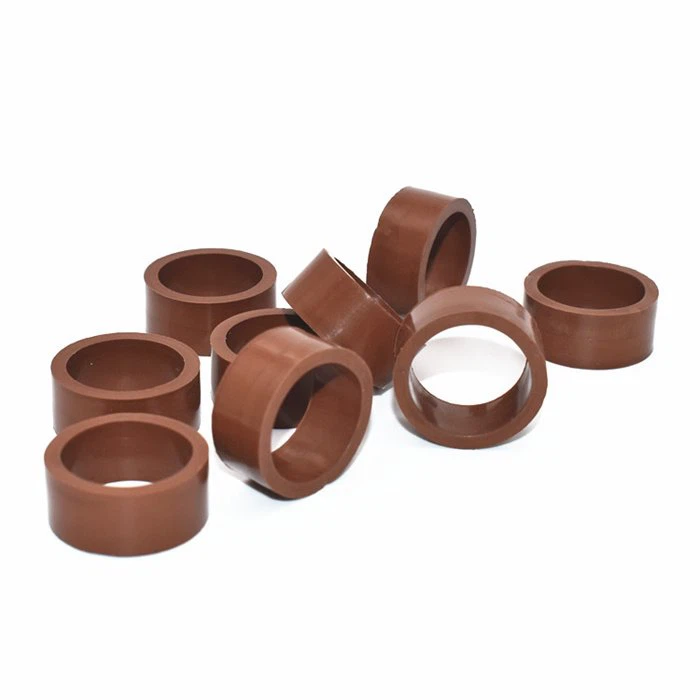

Rubber Washer HNBR
Rubber Washer HNBR is based on Hydrogenated Nitrile Butadiene Rubber (HNBR). HNBR offers better heat and chemical resistance compared to NBR. It can withstand higher temperatures and has better resistance to some chemicals. However, HNBR is more expensive than EPDM. In water treatment systems where the temperature and chemical requirements are within the range of EPDM's capabilities, EPDM is a more cost - effective choice.
Conclusion
In general, EPDM rubber washers are a suitable choice for many water treatment systems. Their durability, chemical resistance, flexibility, and cost - effectiveness make them a popular option. However, it is essential to consider the specific requirements of the water treatment system, such as temperature, chemical composition, and hygiene standards. In applications where the temperature is within the operating range of EPDM and the chemicals used are compatible with it, EPDM rubber washers can provide reliable sealing solutions.
If you are in the market for high - quality Rubber Washer EPDM for your water treatment system, I encourage you to contact me. We have a wide range of EPDM rubber washers in different sizes and specifications to meet your specific needs. Our team of experts can also provide you with technical support and advice on the selection and installation of the washers. Let's work together to ensure the efficient and reliable operation of your water treatment system.
References
- "Rubber Sealing Materials: Properties and Applications" by Smith, J. (2018)
- "Water Treatment Handbook" by Johnson, A. (2020)
- "Materials for Sealing in Chemical Processes" by Brown, K. (2019)