

Are EPDM rubber washers resistant to oil?
Nov 12, 2025
As a supplier of Rubber Washer EPDM, I often encounter inquiries from customers regarding the oil resistance of EPDM rubber washers. This is a crucial question, as the ability to withstand oil is a key factor in many industrial applications. In this blog post, I will delve into the science behind EPDM rubber's oil resistance, compare it with other types of rubber washers, and provide insights for potential buyers.

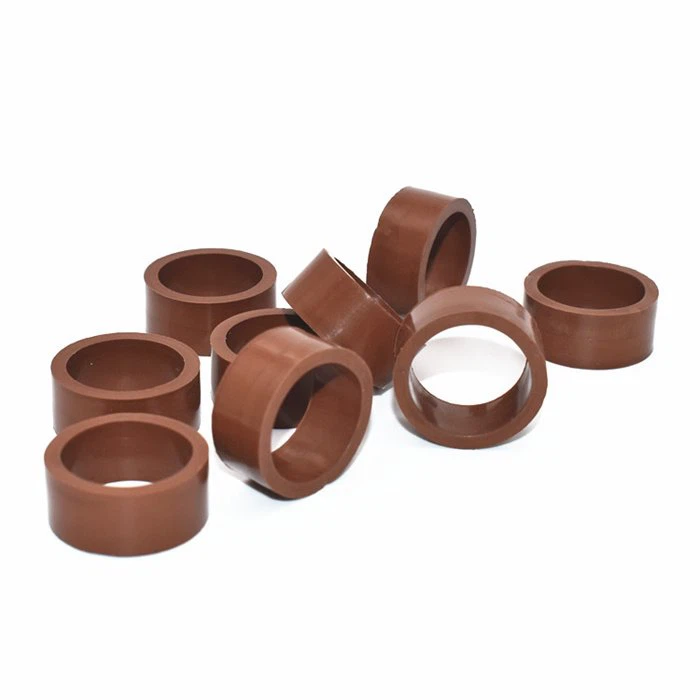
Understanding EPDM Rubber
EPDM, or Ethylene Propylene Diene Monomer, is a synthetic rubber known for its excellent weather resistance, ozone resistance, and electrical insulation properties. It is composed of ethylene, propylene, and a small amount of diene monomer, which gives it a saturated backbone structure. This structure contributes to its high resistance to heat, oxidation, and environmental factors.
Oil Resistance of EPDM Rubber Washers
When it comes to oil resistance, EPDM rubber has limitations. The saturated backbone of EPDM makes it relatively non - polar, which means it has poor compatibility with oils, especially mineral oils. Mineral oils are polar substances, and the difference in polarity between EPDM and mineral oils leads to a lack of affinity. As a result, EPDM rubber washers can swell, soften, and lose their mechanical properties when exposed to mineral oils over time.
However, the situation is different when it comes to some synthetic oils and silicone - based oils. EPDM shows better resistance to these types of oils compared to mineral oils. The chemical structure of synthetic and silicone - based oils is more compatible with EPDM, allowing the washers to maintain their integrity for a longer period.
Comparing EPDM with Other Rubber Washers
To better understand the oil resistance of EPDM rubber washers, it is useful to compare them with other types of rubber washers.
HNBR Rubber Washers
Rubber Washer HNBR is a hydrogenated nitrile butadiene rubber. HNBR has excellent oil resistance, especially to mineral oils, due to its polar structure. It can withstand a wide range of oils, fuels, and chemicals at high temperatures. In applications where exposure to harsh oils is expected, HNBR rubber washers are a better choice than EPDM.
NBR Black Rubber Washers
NBR Black Rubber Washer is a nitrile butadiene rubber. NBR is also known for its good oil resistance. It has a polar structure similar to HNBR, which allows it to have a strong affinity for oils. NBR rubber washers are commonly used in automotive and industrial applications where contact with oils is frequent. Compared to EPDM, NBR offers superior oil resistance but may have lower resistance to weather and ozone.
Applications of EPDM Rubber Washers
Despite its limited oil resistance, EPDM rubber washers have a wide range of applications.
Sealing in Water - Based Systems
EPDM's excellent water resistance makes it an ideal choice for sealing in water - based systems. It can be used in plumbing, water treatment plants, and HVAC systems. In these applications, the absence of oil exposure allows EPDM rubber washers to perform effectively.
Electrical Insulation
The electrical insulation properties of EPDM make it suitable for use in electrical enclosures and equipment. It can prevent electrical leakage and protect sensitive components from environmental factors. Since there is usually no oil present in these applications, EPDM's limited oil resistance is not a concern.
Weather Sealing
EPDM's resistance to weather, ozone, and UV radiation makes it a popular choice for weather sealing applications. It can be used in windows, doors, and automotive body seals to keep out moisture, dust, and noise.
Factors Affecting EPDM's Oil Resistance
Several factors can affect the oil resistance of EPDM rubber washers.
Oil Type
As mentioned earlier, the type of oil plays a crucial role. Mineral oils are more likely to cause damage to EPDM compared to synthetic and silicone - based oils. The chemical composition and polarity of the oil determine its interaction with EPDM.
Temperature
Temperature also has a significant impact on EPDM's oil resistance. Higher temperatures can accelerate the swelling and degradation process of EPDM rubber washers when exposed to oil. Therefore, in high - temperature applications where oil is present, alternative rubber materials may be more suitable.
Exposure Time
The longer the EPDM rubber washers are exposed to oil, the more likely they are to experience degradation. Prolonged exposure can lead to significant changes in the washer's dimensions, hardness, and strength.
Improving EPDM's Oil Resistance
Although EPDM has inherent limitations in oil resistance, there are some ways to improve its performance in oil - containing environments.
Formulation Modification
By adding certain additives and fillers to the EPDM compound, it is possible to enhance its oil resistance. These additives can improve the rubber's cross - linking density and reduce its swelling tendency when in contact with oil.
Surface Treatment
Applying a protective coating or treatment to the surface of the EPDM rubber washer can create a barrier between the rubber and the oil. This can slow down the oil penetration process and extend the washer's service life.
Conclusion
In conclusion, EPDM rubber washers have limited oil resistance, especially to mineral oils. However, they offer excellent performance in other areas such as weather resistance, water resistance, and electrical insulation. When choosing a rubber washer for an application, it is essential to consider the type of oil, temperature, and exposure time. If oil resistance is a critical requirement, Rubber Washer HNBR or NBR Black Rubber Washer may be more suitable. But for applications without significant oil exposure, Rubber Washer EPDM remains a reliable and cost - effective option.
If you are looking for high - quality rubber washers, whether it is EPDM, HNBR, or NBR, we can provide you with the best products and solutions. Our team of experts is ready to assist you in selecting the most appropriate rubber washer for your specific application. Contact us for more information and to start a procurement negotiation.
References
- "Rubber Technology Handbook" by Werner Hofmann
- "Elastomers and Rubber Compounding Materials" by B. S. Butalia